Certified SalesforceDeveloper, Administrator & Consultant

I help businesses configure, automate and extend Salesforce using Flow, Apex, Lightning Web Components, secure integrations and practical CRM consulting.

Based in India and available for freelance, contract and remote Salesforce consulting projects.

Aftab Sipahi, certified Salesforce Developer, Administrator and Consultant

Salesforce solutions · Automate · Extend · Integrate

About Me

Aftab Sipahi, certified Salesforce Developer, Administrator and Consultant

I'm Aftab

Salesforce Consultant · Certified Salesforce Developer · Salesforce Administrator

I am a certified Salesforce Developer, Administrator and Consultant based in Mehsana, India. Passionate about creating efficient, scalable, and user-centric solutions on the Salesforce Platform. I specialize in Apex, Lightning Web Components (LWC), Salesforce Flow, Integrations, and Experience Cloud. I enjoy transforming business requirements into powerful CRM applications and automation solutions. Constantly learning new technologies and best practices to deliver high-quality Salesforce implementations. Dedicated to helping businesses streamline operations and maximize the value of their Salesforce ecosystem.

based in: Mehsana, India

Get in touch or download my vCard

Skills & Abilities

Certifications & Trailhead

Verified Salesforce credentials and Trailhead learning achievements.

My Education

Education is not the learning of facts, but the training of the mind to think.

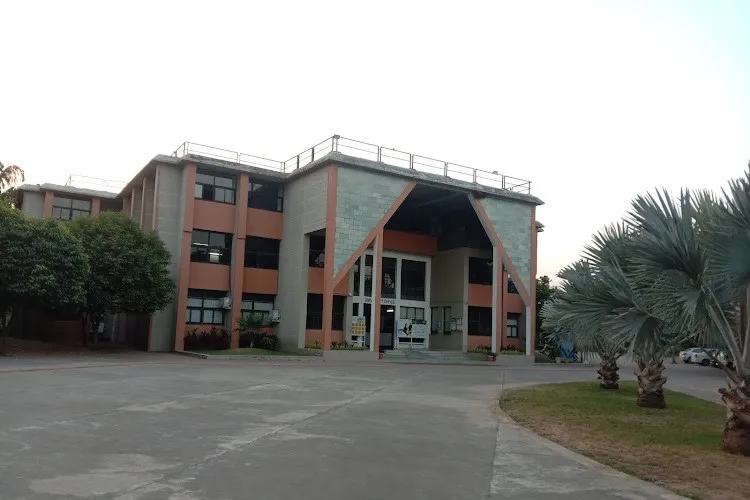
U. V. Patel College of Engineering at Ganpat University

B.Tech in Computer Science Engineering

Ganpat University - U. V. Patel College of Engineering

Undergraduate Degree

B. S. Patel Polytechnic at Ganpat University

Diploma in Computer Engineering

Ganpat University - B. S. Patel Polytechnic

Polytechnic Diploma

Shri Vardhman Vidyalaya

10th Standard

Shri Vardhman Vidyalaya

Basic Math and Science

Salesforce Projects and Case Studies

Banking Operations

Customer Onboarding & Loan Servicing App

Scenario: Banking teams needed one workspace for KYC review, loan servicing, repayments, and customer support.

Role: Salesforce Developer supporting the technical design and delivery of the operations workflow.

Built: A Salesforce operations app with guided onboarding, automated routing, scheduled processing, and role-based access.

Tech: Apex, LWC, Flow, Batch Apex, Experience Cloud, APIs, Reports & Dashboards.

Security & scale: Used role-based access and asynchronous processing to support controlled, repeatable operations.

Testing & deployment: Validated automation and Apex behaviour before release, with release support for operational users.

Outcome: Consolidated fragmented service work into a traceable workflow with clearer ownership and customer status visibility.

B2B Ecommerce

Partner Ordering & Self-Service Portal

Scenario: Partners needed a self-service way to discover products, submit quotes and orders, and track fulfilment.

Role: Salesforce Developer contributing to the partner-facing experience and workflow automation.

Built: A partner experience for quote-to-order, returns, delivery tracking, and approval-driven workflows.

Tech: LWC, Apex Controllers, Flow, Experience Cloud, ERP and payment integrations.

Security & scale: Applied sharing-aware portal access and integration patterns suited to partner self-service.

Testing & deployment: Tested key order and approval paths and supported release coordination across connected systems.

Outcome: Gave partners a single source for order activity while reducing manual handoffs between sales and operations.

Insurance Claims

Claims Automation Workspace

Scenario: Claims teams needed to coordinate intake, document checks, routing, SLA monitoring, and settlement updates.

Role: Salesforce Developer building the automation and operational workspace for claims teams.

Built: A Lightning workspace that automates claim routing, validation tasks, and management reporting.

Tech: Custom Objects, Apex Triggers, Batch Apex, Schedulers, Flow, Lightning App Builder.

Security & scale: Designed around controlled claim access and scheduled processing for high-volume operational tasks.

Testing & deployment: Tested routing and scheduled jobs, then supported deployment with clear operational visibility.

Outcome: Made claim progress and SLA exceptions visible in one operational view for faster follow-up.

Experience


Adoptforce.com

Salesforce Developer - Freelancer

February 2024 - Present

  • Translate client requirements into maintainable Apex, LWC, Flow, and Experience Cloud solutions.
  • Deliver automation, integrations, and self-service experiences tailored to business processes.
  • Support testing, releases, and iterative improvements across Salesforce implementations.

AIMDek Technologies

Salesforce Developer

July 2022 - February 2024

  • Built and enhanced Lightning components, Apex logic, and Flow automations for business teams.
  • Collaborated with stakeholders to turn process requirements into scalable Salesforce features.
  • Contributed to testing, issue resolution, and reliable release delivery.

AIMDek Technologies

Trainee

January 2022 - July 2022

  • Developed practical Salesforce skills across configuration, Apex, Lightning components, and automation.
  • Supported feature development, debugging, and test coverage for Salesforce applications.

Silverwing Technologies PVT LTD.

Java Developer

July 2018 - April 2019

  • Developed and maintained Java application features to support internal business workflows.
  • Diagnosed issues and collaborated with the team to improve application reliability.

Salesforce Insights

Building a Custom Approval Flow in Salesforce

When an approval process needs conditional routing, record updates, reminders, and a clear audit trail, a record-triggered Flow can provide a flexible alternative to a rigid process. Start by defining entry criteria, approval states, and who owns each decision.

Use a Decision element to route records by amount, region, or business unit; create approval tasks or notifications for the assigned reviewer; then update the record only after the decision is complete. Fault paths and descriptive flow labels make the automation easier to support.

Key takeaway: Keep the approval logic in small, reusable flows and test every route with a representative user profile before deployment.

Designing LWC Components for Better Salesforce User Adoption

A useful Lightning Web Component begins with a focused task. Design the component around the information a user needs to see, the action they need to take, and the feedback they need after that action succeeds or fails.

Keep Apex controllers selective, enforce sharing and CRUD/FLS checks, surface meaningful validation messages, and use Lightning Data Service where it fits. This makes components easier to maintain while respecting the Salesforce security model.

Key takeaway: A small, accessible component with clear states is usually more valuable than a complex screen that tries to do everything at once.


Start a Conversation

Need help with Salesforce development, administration or CRM consulting? Share your requirements and I’ll respond with the next practical step.

Download vCard